




Photos provided by the NLPI,
Lixing Elementary School in Ren’ai Township, Nantou County,
Ke-Jian Elementary School in Xinwu District, Taoyuan City,
and Taoshan Elementary School in Wufeng Township, Hsinchu County
Knowledge is the key to a child’s future, yet for those in remote areas lacking access to reading resources, the path to obtaining that key is often rough and uncertain. To bridge the gap between urban and rural areas, the National Library of Public Information makes full use of both physical and digital resources, building bridges of knowledge that transcend geographic barriers and illuminate the way to a brighter reading future.
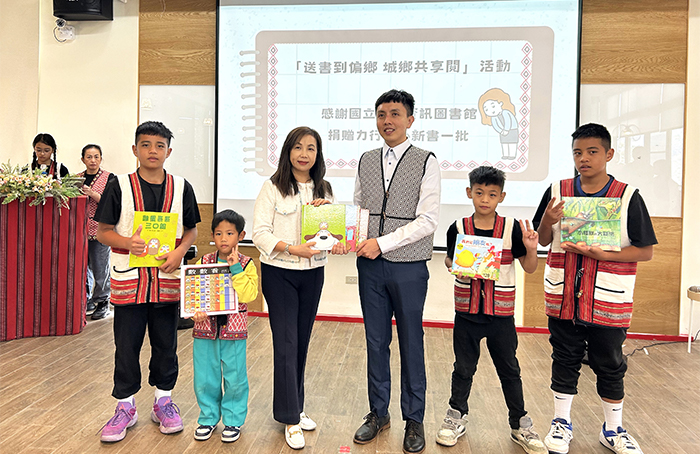
With rapid advancements in technology, today’s reading trends emphasize both physical and digital formats, alongside experiential learning and literacy education. As the largest provider of public digital resources in Taiwan, the National Library of Public Information (NLPI) is committed to expanding the reach and diversity of its services. By harnessing the borderless nature of the internet, NLPI brings the latest information and educational resources to communities across urban and rural areas alike, enriching the lives of residents.
"Reading is the starting point of knowledge and opportunity, yet a gap in resources still exists between urban and rural areas—especially in terms of reading guidance and companionship for children," said NLPI Director General Ma Xiang Ping. In non-metropolitan regions, disparities in geography, economy, and educational infrastructure mean that some schools and libraries lack the capacity to respond to residents’ growing learning needs. In recent years, support from both the public and private sectors has improved infrastructure and facilities. However, further strengthening of reading content, extending learning opportunities, and providing professional support for frontline educators would be even more beneficial for promoting reading nationwide—and this is precisely where NLPI aims to make a difference.
A Dual Approach—Blending Physical and Digital, Inspiring Interest Through Immersive Experiences
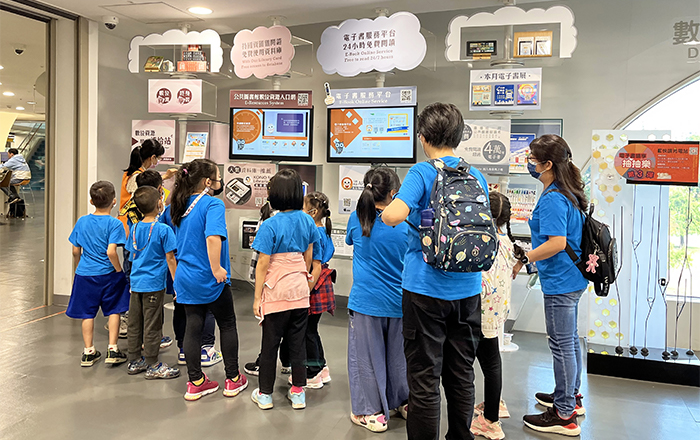
With a wealth of hardware and software facilities, the NLPI continues to integrate digital technologies to create a new kind of reading space. The library features innovations such as AI-powered virtual librarians, micro-libraries, and immersive interactive corridors. It has also established a variety of cloud-based e-book platforms and digital databases, making them freely accessible to the public. Regardless of whether readers are in mountainous areas or on offshore islands, they can access NLPI’s extensive digital resources—more than 460,000 e-books across a wide range of topics—simply by applying for a digital library card. These resources also include music, picture books, and films, catering to everyday entertainment and leisure needs.
To share these high-quality public resources with a broader audience, especially students and teachers who rarely have the chance to visit large libraries, NLPI has partnered with the Ministry of Education since 2017 through programs such as "Library Field Trips" and vocational education outreach. Combined with themed activities, these initiatives prioritize inviting students and teachers from rural primary and secondary schools to visit and experience the library. As of the end of 2024, 126 schools and nearly 5,000 children took part.
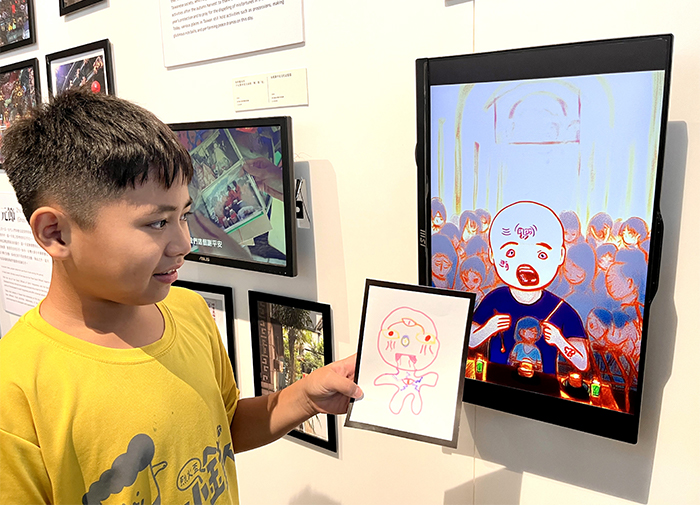
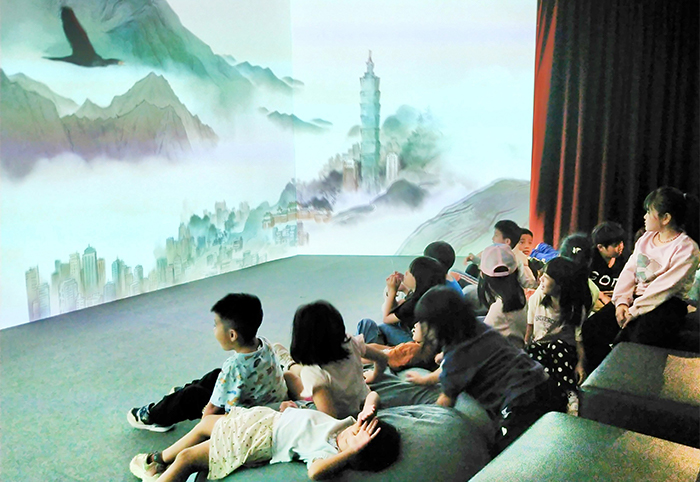
Ma Xiang Ping observed that children from non-metropolitan areas are often wide-eyed with excitement when they encounter the library’s facilities and technology. "The atmosphere of reading is contagious. Immersive learning experiences at NLPI can spark children's interest in reading and open new possibilities for their lives," she said. "Providing access to resources—that is the role public libraries must play." When schools visit, librarians and volunteers not only provide guided tours but also tailor workshops and activities according to the students’ ages. These include visits to cultural and science exhibitions, digital reading sessions, and vocational education experiences, encouraging students to explore diverse interests and broaden their imaginations for the future.
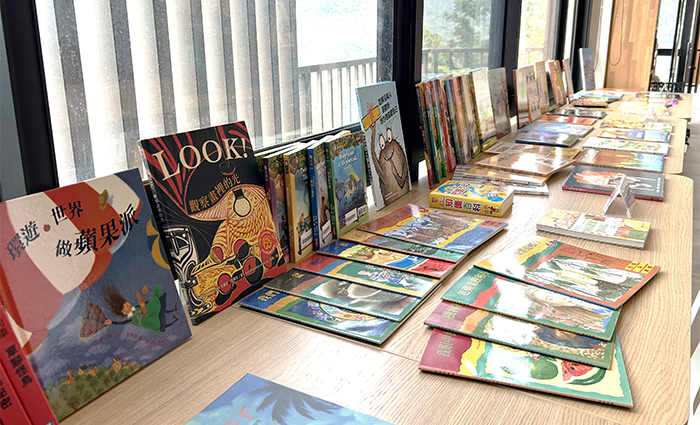
In addition to welcoming children to the library, NLPI also actively delivers books to rural and coastal townships. Each year, the library selects donated books in good condition that are suitable for general readership and donates them to local libraries to enrich their collections and benefit local communities. Since 2022, NLPI has further strengthened ties with remote schools, partnering with the Taichung Education and Culture Foundation to donate books and conduct site visits to better understand the status of reading promotion in these areas.
Shared Digital Resources—A Strong Support System for the Classroom
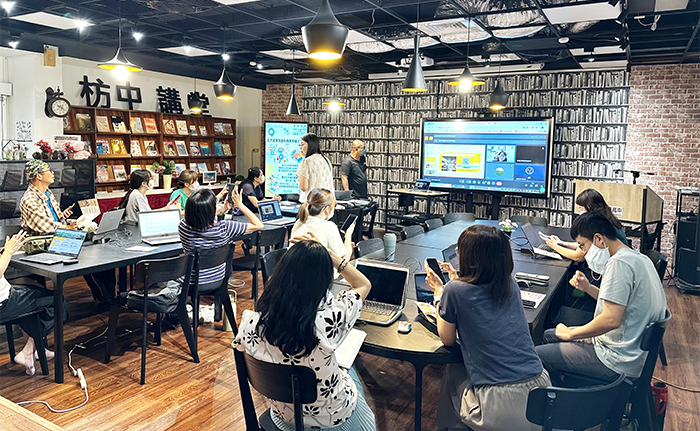
Many educators are eager to foster reading habits in their students, but a lack of suitable teaching resources often leaves teachers in non-urban areas feeling overwhelmed. To address this challenge, the NLPI has long operated its "Digital Resource Promotion Team," which designs customized digital training courses based on teaching needs. Library staff conduct on-site workshops at schools or offer online classes, helping teachers integrate digital tools into their curriculum and providing strong support for the classroom.
In collaboration with the Ministry of Education’s training programs for library teachers, NLPI also offers diverse thematic courses, including “Reading Promotion Strategies,” “AI Applications in Libraries,” and “Information Literacy and Media Literacy.” These programs bring the latest knowledge to local educators, enabling them to effectively incorporate what they’ve learned into creative reading activities that promote a vibrant reading culture on campus.
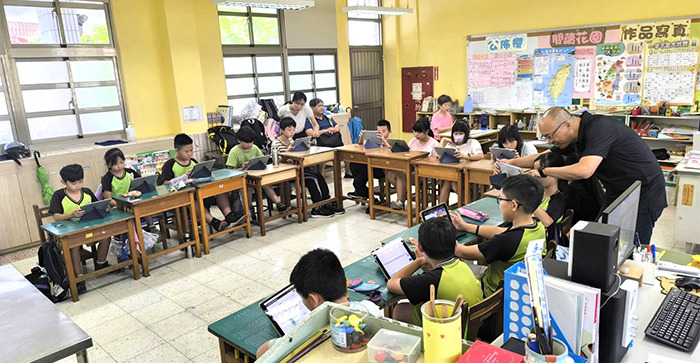
“The passion shown by teachers is truly moving, especially in areas where resources are limited. We hope to support frontline educators in making full and confident use of abundant, user-friendly digital resources,” said Director-General Ma Xiang Ping. In addition to its self-developed open-access e-resources, NLPI has partnered with the Ministry of Education to create the "Education Cloud eBook Platform," a dedicated system for schoolteachers and students. The platform provides access to more than 8,000 titles—over 50,000 volumes—of high-quality books tailored for children and teens. Using their cloud accounts, teachers and students can easily borrow books for individual reading, lesson planning, or guided class reading.
The platform also includes a “Suggested Reading (SR) Value” system that analyzes content complexity, enabling teachers to create book lists suited to their students’ reading levels. This ensures more accurate book selection, boosting students' motivation and interest in reading. With its strong potential for classroom application, the Education Cloud eBook Platform will continue to be a key focus for NLPI’s outreach efforts, supporting more efficient digital learning for teachers and students alike.
Connecting Local Libraries—Building Multi-Sector Collaboration
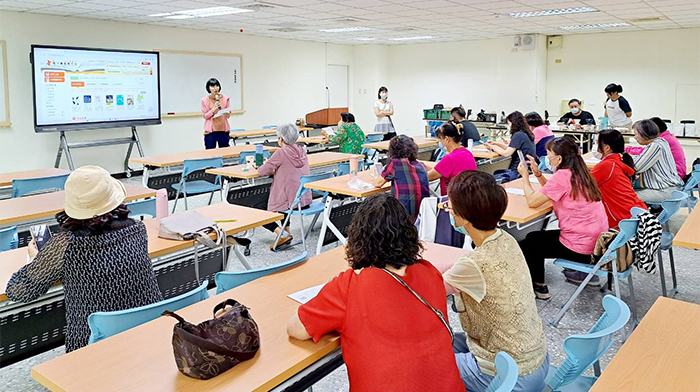
Beyond schools, local libraries across counties and townships play a crucial role in promoting reading equity between urban and rural areas. In 2024, the NLPI launched the “Digital Reading Supply Station” initiative, partnering with township libraries to create themed reading activities tailored to various audiences and community needs. Topics include children’s picture books, foreign language learning, leisure and lifestyle, and technological applications. The program received enthusiastic feedback. Some township librarians reported feeling much more confident using digital resources after the sessions, which greatly supported their efforts to promote reading and offered residents more diverse opportunities for learning and engagement.
Children participating in the activities also shared their joy. One child explained how, because both parents work late and grandparents rarely visit the library, learning about e-books allowed him to teach his grandparents how to download stories, so they could read to him at home.
Ma Xiang Ping added that NLPI hopes to use such programs to deliver more resources to those in need, allowing everyone to enjoy the joy of reading anytime, anywhere. Future course planning will prioritize the needs of schools and libraries in remote areas, ensuring the most effective use of limited resources. At the same time, NLPI will strengthen information literacy training for both librarians and readers, emphasizing the importance of critical thinking and discernment when accessing information, so that the power of knowledge can be fully realized in the digital age.
Looking ahead, NLPI aims to continue fostering diverse partnerships and expanding access to reading for communities across Taiwan. By actively collaborating with organizations such as the Taiwan Reading Culture Foundation and the Esun Cultural Foundation—both of which have made significant strides in rural reading promotion—NLPI seeks to integrate resources from industry, government, and academia. Together, they hope to plant the seeds of reading across the island, allowing the fragrance of books and the flow of knowledge to circulate freely through every town and community.