




The joy of reading often stems from pure interest rather than imposed learning pressure. Through shared reading, children and parents not only build fond memories but also deepen their mutual understanding and sense of security. These warm memories help children view reading as a pleasant and natural activity, encouraging them to continue walking hand-in-hand with books throughout their growth.
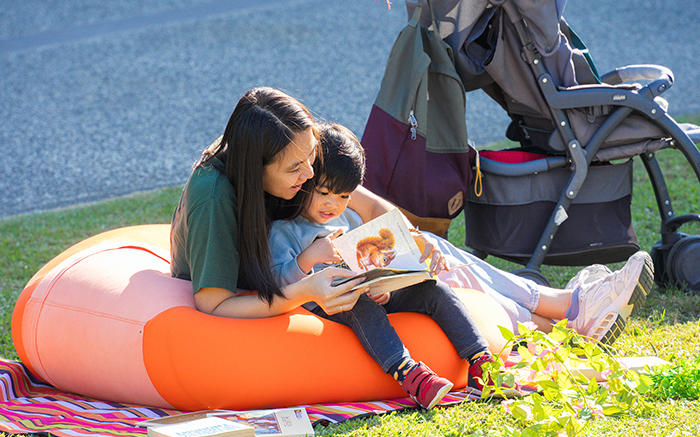
In people’s minds, children’s reading is perhaps the field with the most stereotypes— “children’s books equal touch-and-feel cognitive teaching materials,” “picture books are only for young children,” or “children under 3 can’t understand picture books, so there’s no need to read to them.” In fact, the world of children’s reading is far broader than imagined! By redefining “what books are suitable for children,” reading transcends age limitations and becomes a beautiful journey starting from 0 years old.
Through Time - Children's Literature Mirrors the Human World
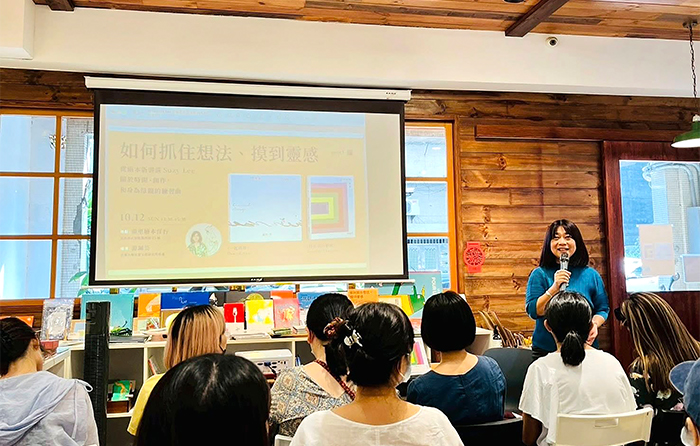
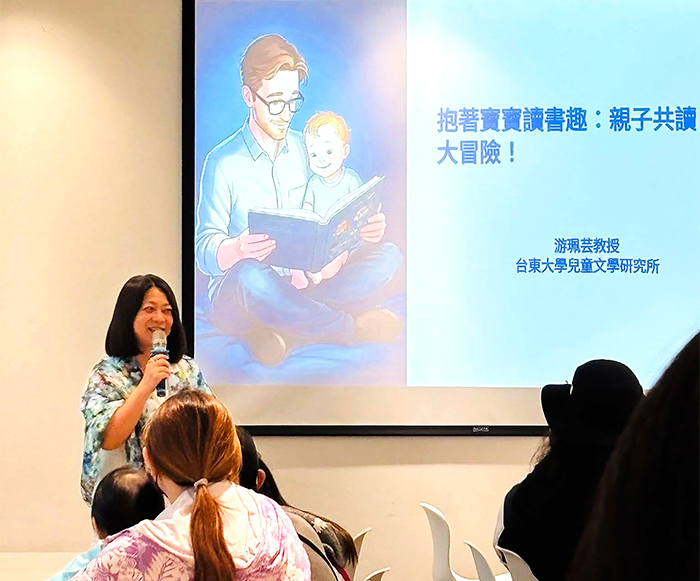
Anyone browsing articles on children's literature is sure to have a deep impression of Yu Pei Yun, professor at the National Taitung University's Graduate Institute of Children's Literature. Yu Pei Yun grew up in the 1970s, when children's books were scarce, and it wasn't until her senior year of college that she was introduced to the field by Professor Cheng Hsueh Mei, a library science expert who had just returned to Taiwan. "It opened my eyes—there are actually books written in a child's voice!" That moment marked her entry into children's literature, after which she received a scholarship from the Japan Exchange Association to pursue her master's and doctoral degrees in Japan.
What is children's literature? From an academic perspective, it generally refers to works created for children and adolescents under 18. However, Yu Pei Yun, who has long focused on this field, views it as a genre that "children can understand, yet withstands deep adult reading." For example, picture books, with their concise text and expansive illustrations, are often mistaken for simplistic content, but they actually explore rich dimensions and many important aspects of life. "Many simple truths yield different depths of insight depending on the reader's age." Using The Little Prince as an example, Yu Pei Yun explains that children's books resonate across ages, and narratively, they are "literature that brings hope “regardless of whether the ending is happy or sad, creators leave a sense of openness. "Many metaphors can be encountered in life, so in other words, picture books or children's books are like modern prescriptions for the soul!" Yu Pei Yun laughs.
Reading as the Foundation - Embark on a Journey of Imagination for Children
Not only can adults reflect on human affairs through children's literature, but picture books also serve as a window for children to understand the world. "Children are like little anthropologists: upon arriving in this world, they must learn language, culture, technology, and more. Everyday life bombards them with too much information, but reading picture books with vibrant illustrations and simple text allows them to focus better on recognizing and absorbing new knowledge."
Yu Pei Yun cites the example of a child with Asperger's syndrome. Since his diagnosis at ages 3 or 4, his mother has used numerous picture books in daily life to teach him about emotions, facial expressions, and everyday objects. By the time he entered elementary school, his development far surpassed that of many other children with Asperger's. Another example is one of Yu Pei Yun 's own doctoral students' children, who from a young age read picture books and, by ages 4 or 5, could interpret different images and describe what he saw using rich vocabulary. "This is the power of picture books. Though they appear to have concise text, they contain a wealth of information and can cultivate a child's ability to read images. Young readers who read a lot and gain experience benefit greatly in future learning and everyday observation," Yu Pei Yun adds.
"Images are fluid, short videos are fragmented, but books are systematic." In an era dominated by audiovisual media, cultivating a reading habit from a young age immerses children in the textual world of books, rooting them in rich stories and knowledge while embarking on their own journeys of imagination and learning.
Age-Appropriate Reading - Build a Stronger Start to Reading
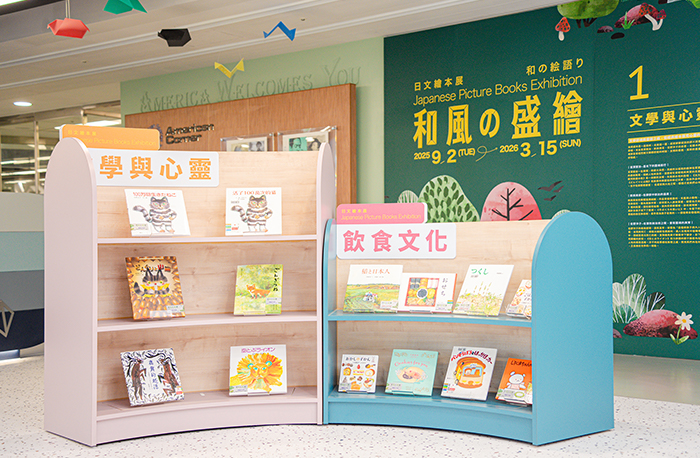
Amid the vast ocean of books, children's books may seem readily available, but how can one progressively cultivate a child's interest in reading? Su Yi Chen, who researches children's literature and children's libraries while also translating picture books, draws on her experiences and observations in Japan to provide a detailed explanation of age-appropriate reading.
"In Japan, children's books are primarily categorized by age into 0-3 years and 3-6 years, with intevals as short as every six months, and the largest children's book publisher even starts segmenting from 0-2 years." Su Yi Chen explains. Some readers might wonder if books differ significantly within just a few months of age difference. In reality, the cognitive development of infants and toddlers varies greatly from month to month, as evident from the way parents label their children's growth photos with precise ages like X years and Y months.
“Infants who have learned to walk and those who haven’t perceive the world very differently,” Su Yi Chen explains. The benefit of age-appropriate reading lies in providing relatively suitable content. “Many people mistakenly think children under 3 can’t understand books, so they mostly offer touch-and-feel teaching aids rather than picture books focused on reading. But if you read to them and they respond with sounds or excited expressions, it shows young children are actually interested in the book’s content.” Although children this age can’t yet use language, their emotions and body language speak volumes, and the 0–3 age range marks the beginning of their world exploration as well as the ideal starting point for rooting a love of reading.
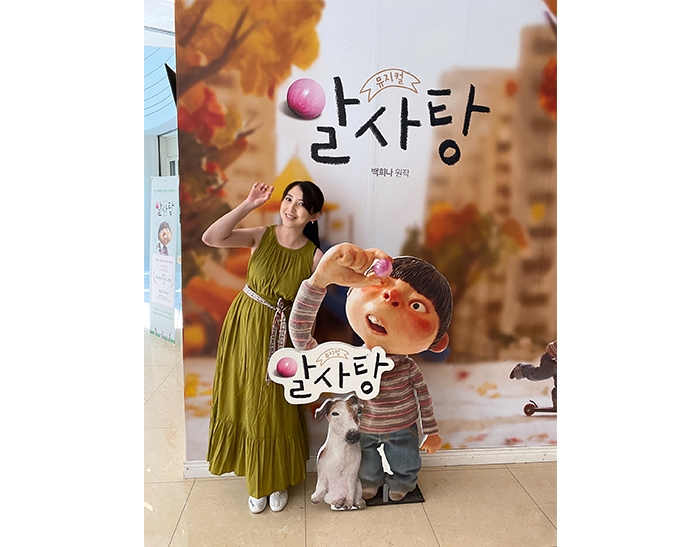
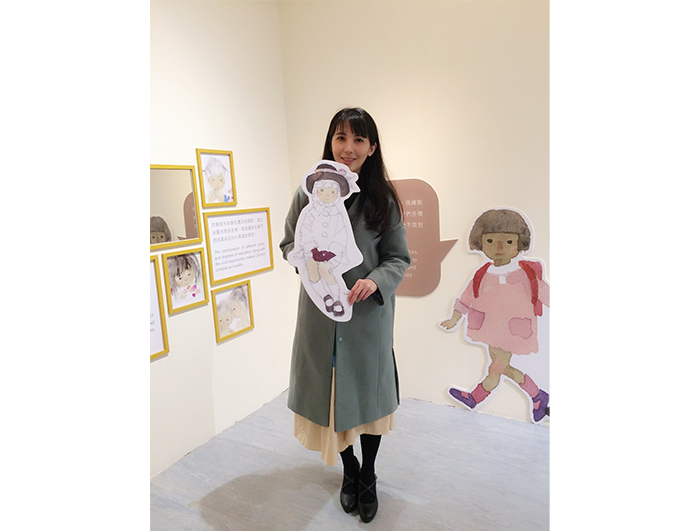
In Taiwan, influenced by generational upbringing experiences, public understanding of “infant and toddler reading” remains somewhat vague. From publishers’ planning to library collections, classifications often rely on broad age bands, with few localized works specifically designed for very young children. Thus, when parents enter a library to borrow books, it’s often hard for them to quickly find age- and development-stage-appropriate reads for their child. For this reason, promoting more refined infants and toddler reading resources and creating clear, user-friendly age-segmented environments has become a shared goal for public libraries.
Meeting Needs Closely - Transformation and Evolution of Children's Book Areas
Facing the growing and diverse demands of children's reading, libraries can lead the way in making changes. Su Yi Chen shares, “Japanese children’s libraries use a simple classification: dividing books by format into infant/toddler books, picture books, bridge books, and novels, then sorting by the pronunciation of the author’s last name. Some libraries have their own systems, such as marking local authors with a Mount Fuji icon, foreign authors with a ship, or categorizing by themes like transportation or fantasy that appeal to children, making it easier for parents and kids to select books at a glance.”
Appropriate zoning of children’s books in libraries empowers children to find books independently. Once quality content enters their field of vision, their reading interest can gradually take root. Su Yi Chen also recommends the Tainan Public Library’s new main branch, where she was involved in planning. The children’s book area uses child-friendly terminology paired with graphic design for signage, and the shelving is highly intuitive: zones for 0–5-year-olds (Story Nook), picture books, literary fiction, nonfiction, foreign-language children’s books, and pop-up books, allowing kids to locate and read books more instinctively.
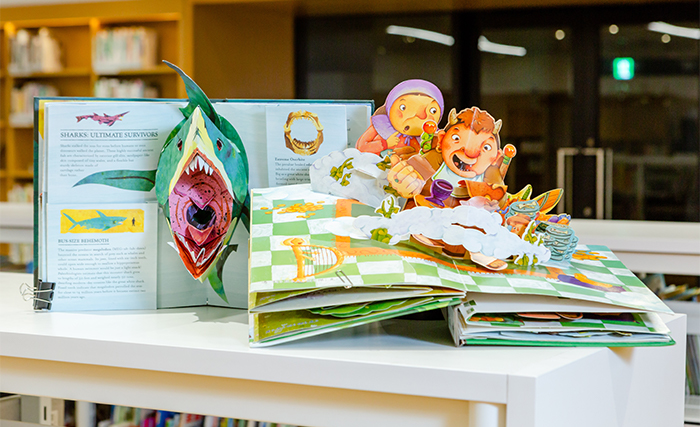
For most non-newly built libraries, Su Yi Chen suggests starting with small details, such as introducing simple digital tools or adding clearer labels to existing shelves—indicating recommended age, themes, or curated lists from the Ministry of Education. This enables libraries to continuously optimize their services, boosting parents’ book-selection efficiency while ensuring every young reader finds books they love.
Embrace the Original Intent - Savor the Pure Joy of Reading
"Reading itself is a joy." Su Yi Chen emphasizes, "We often confuse learning with reading, thinking that 'reading' is for recognizing characters, becoming smarter, or even improving writing skills—these are all goal-oriented expectations. But if you ask adults why they read, most will say it's for pure pleasure and interest." This principle holds true for children's reading as well—reading brings delight, often accompanied by precious parent-child memories. The images and stories discovered together in picture books intertwine with life experiences, continuously blooming as warm light in every child's heart.