




Photos provided by the Commonwealth Magazine, Bubu Publishing,
Hsin Yi Foundation (Hsin Yi Publications), Morning Star Publishing,
Linking Publishing, and Ching Hao Publishing
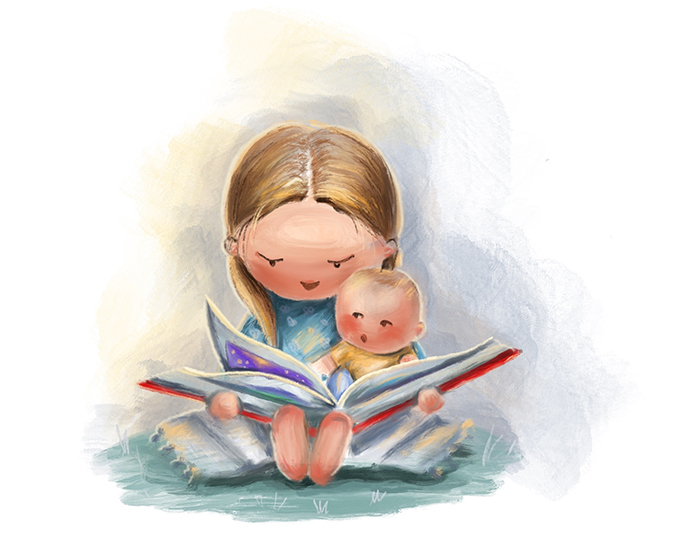
Some stories aren't meant to teach children to understand the world—they grow alongside the child. This is a soft, silent enlightenment: when the story enters the ears before language is fully grasped, images and sounds settle in the heart first. Returning to our own early years, the initial joy of reading wasn't about mastering text; it was learning to feel—how the world can be told, depicted, and understood.
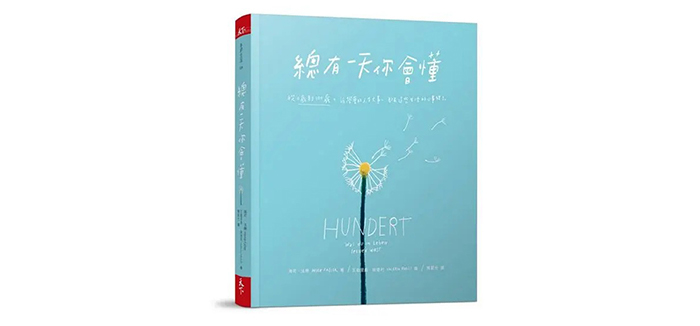
Best enlightenment books never presume teaching; instead, they act like tickets inviting us into other worlds, where characters don't provide answers but echo the questions stirring in our hearts. This "gradual understanding" style of reading—exemplified by the emotional core of the picture book One Day You Will Understand, a collaboration between German author Heike Faller and Italian illustrator Valerio Vidali—eschews elaborate explanations.
Through a mother-daughter dialogue about love and parting, a jar of homemade jam spanning two generations... it reappears across life's highs and lows, symbolizing the bittersweet flavors fermented by different encounters, helping us grasp that "growing up" isn't an instant sensation but a gradual realization. When the mother in the story says, "One day you will understand," her words carry no authority, only gentle trust: I believe you will, and I'm willing to wait.
This patient, ripening rhythm of reading captures the true essence of early enlightenment. Shared reading moments synchronize children with the world's pulse for the first time—the cadence of text, the rise and fall of voices, the turn of pages—all a shared breath. Reading thus becomes "time to hear each other," not just in words but in the quiet flips of silence.
When the Fox Tells Stories: Shinmei Minami's Worldview
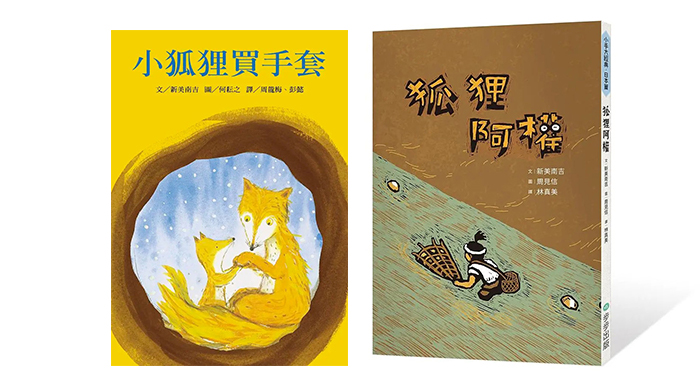
Speaking of the purity of early reading, Shinmei Minami's fox stories stand as quintessential symbols. Dubbed "the light of children's literature" in Japan, this writer penned nearly a hundred gentle yet melancholic fairy tales in his brief 30-year life. Works like Gon, the Little Fox and The Little Fox Buys Gloves... carry an almost adult sorrow yet are told in a child's language. They offer an enlightenment into "understanding the world's sadness."
Foxes always mimic humans imperfectly; that flawed imitation mirrors a child's journey to adulthood growing through mistakes, feeling warmth amid hurts. Adults sharing these stories often weep before the children do, glimpsing lost innocence in the characters' small lives, alongside society's admonitions against such naive belief ever again.
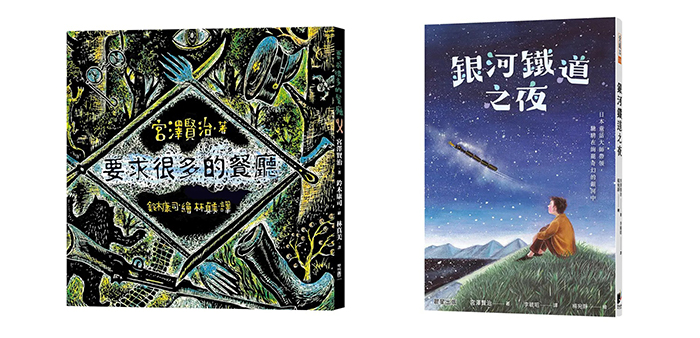
Alongside Shinmei Minami, fellow Japanese children's literature titan Kenji Miyazawa steers reading toward cosmic order. Beyond the classic Night on the Galactic Railroad, his The Restaurant of Many Orders offers another gem for the child within, with its story "Acorns and the Mountain Cat" serving as inspiration for Hayao Miyazaki's My Neighbor Totoro. These tales balance light and shadow, giving fairy tales not just tenderness but metaphysical depth. During parent-child reading, children might hear only animal and starlit adventures, while adults feel a quiet sting—questions of good and evil, life, and sacrifice.
Their words reveal that "enlightenment" isn't about making children grasp reality prematurely; it's preserving their reverence and compassion for the unknown. Foxes and stars touch children's hearts because they never preach—they simply abide with night skies and forests, awaiting the child's approach.
The World's Warmth: E.B. White's "Three Children"
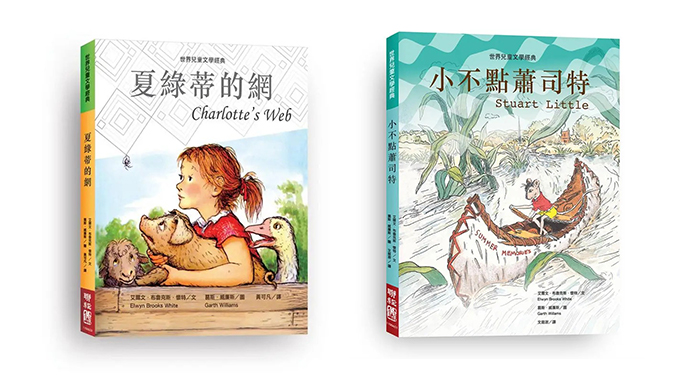
If one writer truly makes "shared reading" a cross-generational experience, it must be American author E.B. White. Charlotte's Web, Stuart Little, and The Trumpet of the Swan form the 20th century's most moving children's trilogy. Their common thread: written not just for children, but for adults who still yearn to believe.
Take Charlotte's Web, where the spider Charlotte weaves life-saving words in her silk, not only rescuing piglet Wilbur but rekindling human imagination for language. She teaches children that words can alter fates, and kind speech forms the world's fabric—an enlightenment in reading: grasping the world's shape through text, and an ethics of coexistence.
White's worlds are poetic yet honest. He never sugarcoats death or shuns sorrow but always leaves a light after loss. That light isn't naive optimism; it's understanding. When parents and children share these stories, they learn to face time—how to say goodbye and not fear starting anew.
Reading is Action: Becoming Little Citizens of the Earth
If Kenji Miyazawa and E.B. White represent the timeless spirit of reading from the past, Taiwan's audiobook culture and the ensuing podcast boom have propelled reading into greater accessibility. The renowned podcast host "Olive Mama" (欖仁媽媽), celebrated for her children's book and picture book content, has extended her reach with the Olive Mama Global News Station series—a practical modern educational bridge.
This set broadens "shared reading" beyond parent-child bonding to foster children's grasp of global interconnectedness. Its "World Edition" and "Life Edition" blend news with stories, enabling kids to decode current events—from climate change and war refugees to gender equality and SDGs goals—through picture books and dialogue translated into empathetic language. When parents and children read together, they simultaneously tune into the world.
Enlightenment takes many forms; it should approach children from varied angles and textures, showing that knowledge extends beyond school lessons into daily sensations. Reading isn't escapism but active engagement. Thus, when children encounter terms like "global warming" or "refugee camps," stories teach them not to fear or feel indifferent, empowering earlier, personal action.

Starting with Stories: Growing Up with the World
The works of these five authors form a kind of timeline of enlightenment: from Understanding Love in Someday You’ll Understand, to Understanding Sorrow in the works of Nanki chi Niimi and Kenji Miyazawa; from Understanding Life in E. B. White, to Understanding the World in Mommy Olive’s Global News Channel.
hese readings are not meant to be linear progression, but a circular connection. As children grow up, they may return to that very first book, meeting themselves once more through words, rediscovering a sense of wonder and strangeness.
The beauty of early enlightenment and parent–child reading lies in its unhurried, non-utilitarian nature. Childhood follows a different kind of time, one that allows children to understand slowly—and allows adults to face once again the feeling of not understanding. When we read a book together, we are in fact reading a scroll of time together, sharing in each other’s growth and forgetting.
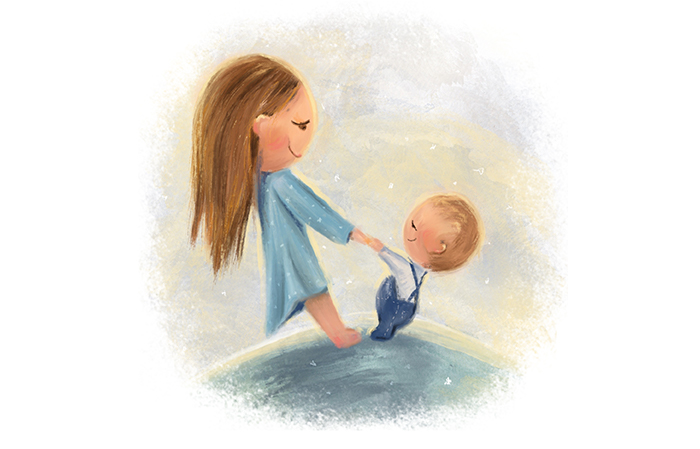
The beginning of reading does not start with recognizing words, but with being held in someone’s arms, surrounded by the sound of pages turning. When a list of books gathers into a fine river flowing past a child’s ears, it can cross hidden obstacles and eventually reach the heart that remains unbroken and still moist in adulthood.
The parent–child relationship is never merely that of teacher and student, nor just early education—it is two souls exploring the unknown together, playing and finding refuge in each other’s voices.