




As one of the most important user groups of libraries, teenagers are currently in a transitional stage where physical and digital reading coexist and reading habits are shifting. Growing up surrounded by digital devices, they are accustomed to receiving information in ways that are short, fast, and diverse. From comics and short videos to full-length novels, Generation Z (born between 1997 and 2012) is redefining traditional notions of reading.

In the past, discussions about promoting reading among teenagers often started with the question of “what they should read,” with the expectation that students would engage with classic literature or follow teacher-recommended reading lists. However, as digital technology becomes deeply integrated into daily life, Generation Z’s reading habits have undergone a fundamental transformation. Growing up in an era of information overload, they place greater emphasis on autonomous choice and seek practicality and emotional resonance in their reading experiences.
As Teenagers Enter a Confusing Adolescence, Teachers Become Reading Coaches
Song Yi Huei, director of the library at Dan-Feng High School in New Taipei City, observes that while students now spend more time on video platforms, they have not abandoned reading — their tastes have simply changed. “They tend to prefer texts that are shorter in length, feature vivid characters, and have fast-paced plots, such as comics, fantasy novels, or works adapted into films and TV shows,” she explains. Understanding these generational differences, rather than insisting on traditional classics, can help educators find more effective approaches to reading promotion.
Beyond entertainment, practicality is another key factor influencing Generation Z’s reading choices. Topics such as emotional regulation, financial planning, and interpersonal relationships during adolescence often become immediate motivations for them to seek out books. This shift calls for a transformation in the role of educators — from authoritative figures who deliver knowledge unilaterally to “reading coaches” who accompany students in exploration, helping them find texts that resonate with their personal experiences.
Song Yi Huei often uses story characters as entry points to guide students in connecting with texts. For example, she uses Journey to the West and asks students to choose the character that best reflects their personality, sparking their curiosity about the classic. “Characters are like mirrors. When students see themselves in Sun Wukong or Sha Wujing, they naturally want to learn more about the story,” she says. She recalls a student complaining that the morning reading assignment was dull, so she recommended the popular manga Demon Slayer: Kimetsu no Yaiba. The students became so absorbed in reading that they didn’t even notice the bell signaling the end of class.

For Song Yi Huei, the essence of reading promotion is not about dictating what students must read but about helping them find emotional resonance in books. From comics to classics, from practical knowledge to philosophical reflection, all kinds of books can serve as mirrors and companions for teenagers’ inner worlds. School libraries, too, are evolving — no longer just warehouses of knowledge, they are becoming shared learning spaces for youth, fostering an atmosphere of exploration, dialogue, and connection with books. “When students feel understood and respected in the library,” Song Yi Huei says with a smile, “reading naturally becomes part of their lives, accompanying them as they grow.”
Creating Context in a Fast-Paced World: Bringing Literature Back into Focus
Living in an era accustomed to fast-forwarding and short attention spans, Li Pei Rong, a Chinese literature teacher at JingMei Girls’ High School in Taipei, admits that teaching has become increasingly challenging. When she first offered a course on “Crosstalk Art and Communication Strategies” years ago, students were able to appreciate lengthy setups and delayed punchlines. But in recent years, she has noticed that students struggle with such pacing — their thinking has already been shaped by a world that moves quickly. Li understands that today’s students don’t just want to know what they are doing; they also need to understand why they are doing it.
This “need for a reason” has prompted Chinese literature classes to shift toward context-based teaching. Purely rational persuasion risks turning literature into a mere tool, but when a teacher builds an immersive atmosphere, students naturally open their hearts. For example, Li invites students to imagine Liu Zongyuan’s state of mind as he climbed Mount Xishan, or she shares her own experiences of loneliness and struggle growing up — encouraging students to connect literature with their own emotions. “When students feel that emotional resonance,” she says, “literature truly becomes part of their lives.”
Li Pei Rong has also revived the tradition of reading aloud in her classroom. She leads students in reading texts out loud, guiding them in phrasing, emphasis, and rhythm — letting voice become the starting point of the lesson. In an age of overwhelming information, she believes that only by creating a sense of immersion can students pause, slow down, and re-enter the literary atmosphere. In addition, she uses digital tools like Notion to facilitate collaborative reading and small-scale exhibitions, even extending these activities to parent reading clubs, creating opportunities for intergenerational dialogue. “Reading isn’t just about academics,” she says. “It’s also a way for people to connect with one another.”
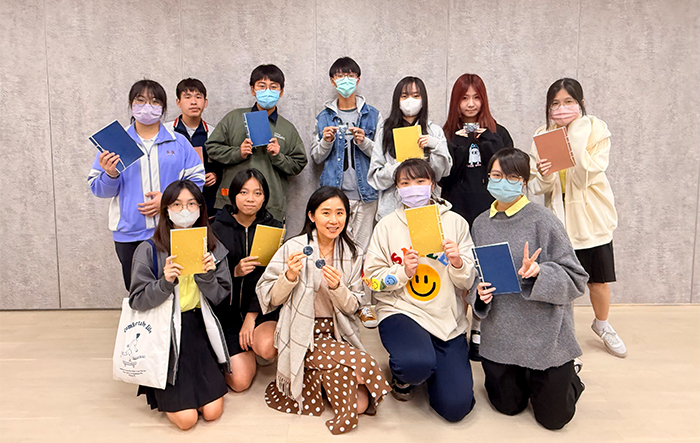
For Li Pei Rong, the true value of literature classes does not lie in providing standard answers, but in creating a space where the soul can find rest. In a fast-paced world, she chooses to respond by creating immersive contexts that bring literature back into students’ lives, turning reading into a precious moment of stillness for teenagers.
A New Era of Social Book Promotion: Creating Reading Gateways Through E-Books and Short Videos
Unlike traditional print-based reading promotion, Liz, the KOL behind the online platform “Book Promoter L,” began her reading advocacy journey on social media. What started as casual sharing of her reading reflections — originally moved to a dedicated account in early 2022 to avoid spamming friends — unexpectedly grew into a thriving platform. As more readers began following her, Liz realized that she could become “a bridge between people and books.” She laughingly describes herself as an “eclectic reader” with a curiosity for all kinds of books, which allows her to connect with audiences across different genres. In addition to print books, Liz actively promotes e-books, believing that digital reading offers an immediate and convenient experience — particularly appealing to younger generations. “E-books are an extension of books,” she says. “No matter where you are, they open the door to reading.”
Liz admits that running a reading-focused social media presence is not easy. At one point, she challenged herself to post a book review every day, which helped her improve both her reading speed and writing efficiency. Over time, she developed her own three-part review structure: highlighting three key takeaways from each book in just 200 to 300 words — concise enough for quick browsing, yet rich enough to invite deeper reading. “If even one sentence resonates with a reader and makes them want to open a book, I’ve achieved my goal,” she says.
As social media landscapes evolve, Liz adapts her strategies to suit different audiences: long-form reviews go on her blog, short reflections on Threads, and visual posts and bite-sized reading lists on Instagram to engage Generation Z. In 2025, she ventured into short-form video content, with one mystery novel recommendation surpassing 300,000 views — leading the publisher to release an additional print run. Liz notes that short videos can reach people who don’t normally read. “Some only watch movies or binge dramas, but with short videos that are quick, sharp, and engaging, we have a chance to capture their interest and lead them to books,” she explains.

For Liz, the role of a reading influencer isn’t just about summarizing books — it’s about offering emotional value. In an era where AI can generate summaries, she sees herself as a companion, using authenticity and passion to spark resonance. “I don’t expect everyone to fall in love with reading,” she says. “But if even one person visits a bookstore again or picks up one more book because of my sharing, then it’s all worth it.” In a time of fragmented reading habits, Liz uses cross-media creativity to give reading a new way to step back into people’s lives.
Let Reading Become a Companion on the Journey of Youth
Reading is no longer a one-way transmission of knowledge — it has transformed into a role of companionship, guidance, and immersive experience, one that must closely follow the rhythms of teenagers’ lives and respond to their inner needs. Whether it is teachers becoming “reading coaches” who spark resonance through story characters, or the use of digital tools and social media platforms to extend the reach of reading, these approaches reveal a new landscape of reading promotion. When libraries, schools, and online communities work together to create diverse and open gateways, reading naturally becomes part of Generation Z’s growth journey, emerging as an indispensable source of strength and inspiration throughout their youth.