Written by/Zhong Bi Fang
Photographer/Zhuang Zhen Feng、Jiang Ming Yang
Photos provided by the NLPI
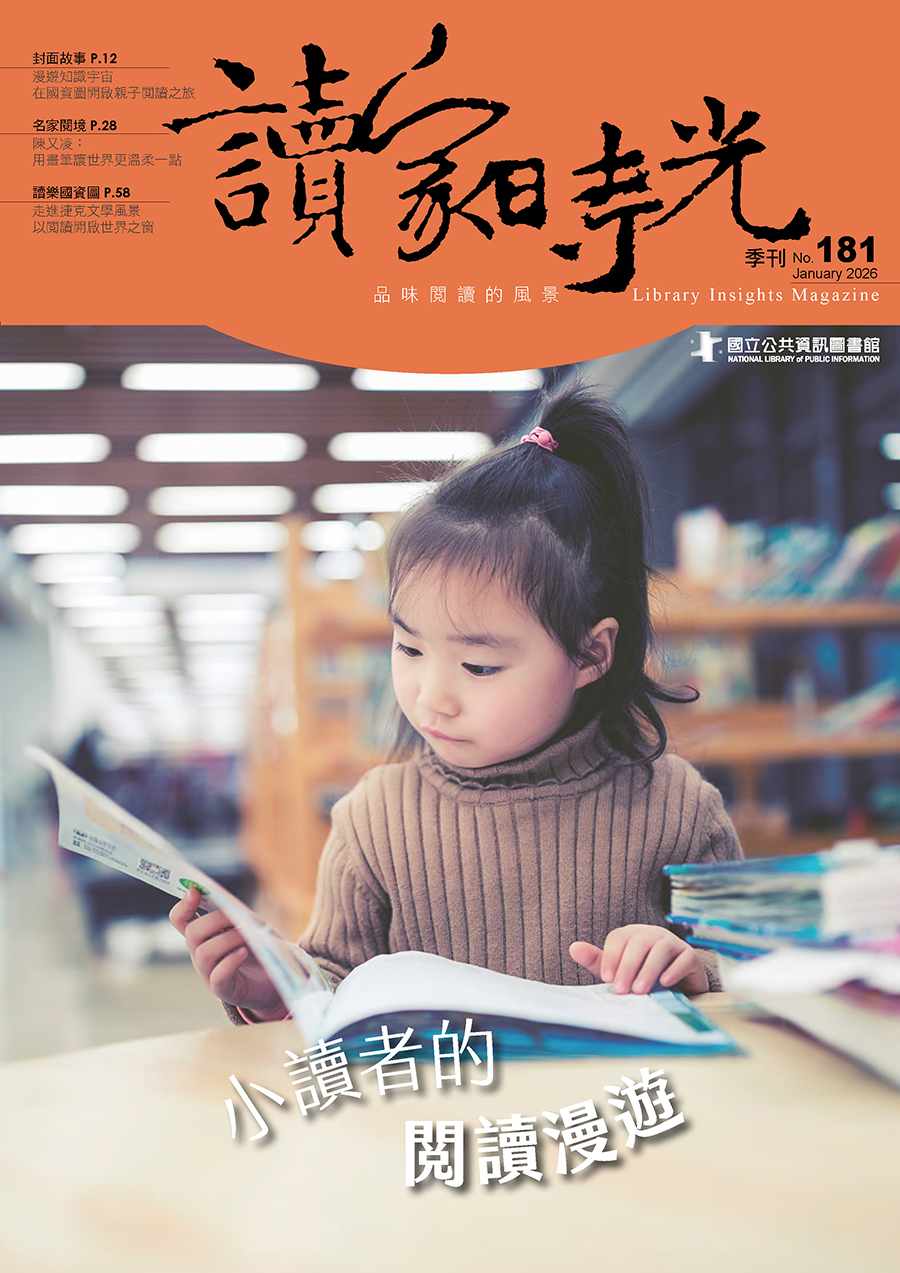
Reading sparks boundless imagination and creates cherished parent-child memories. From sensory awakening to digital interaction, from shared reading to cross-disciplinary collaborations, the National Library of Public Information accompanies children in exploring reading through diverse and warm approaches. Through thoughtful space design, book selection, and activities, it builds parents' confidence in shared reading, transforming it into a joyful part of family life.
Step into the Children's Learning Center at the National Library of Public Information (NLPI), where kids explore the dinosaur world in the panoramic story room, flip through virtual picture books in the AR experience zone, or share cozy reading moments with parents in the warm "Light Parent-Child Reading" corner. This space is more than just a library—it's a knowledge amusement park full of surprises, using games, technology, and parent-child interaction to let reading take root naturally in children's lives from an early age.
Sensory Awakening - Crafting a Reading Paradise for Pre-Schoolers
Pre-school children may not yet read words, but they are in the golden age of exploring the world through their five senses. "Pre-schoolers rely on sight, hearing, smell, touch, and taste to discover their surroundings," explains NLPI Director Ma Xiang Ping. "That's why we've cleverly woven these sensory experiences into our reading activity designs."
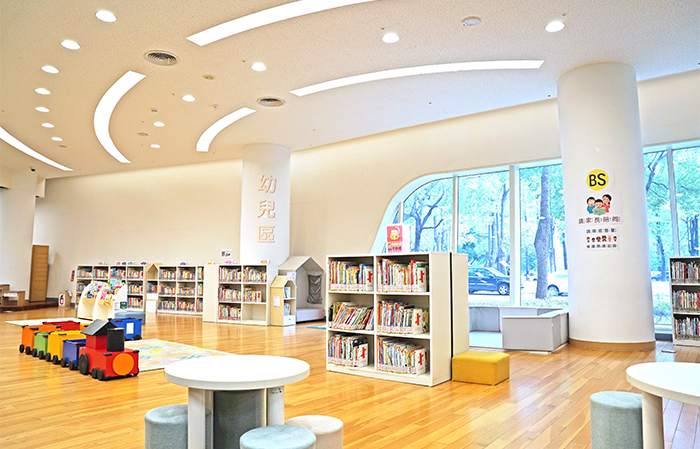
In 2024, the NLPI relocated the Children's Learning Center toddler area to a much more spacious and brighter space—doubling the previous floor area—and positioned it right next to floor-to-ceiling windows, allowing children to explore amid lush greenery. The area features soft crawling mats suited for little ones, low-height bookshelves matching toddler stature, and carefully curated age-appropriate picture books, sparing parents the hassle of sifting through vast collections. "On weekends, it's packed here—grandparents, moms, and dads all bring their kids," Ma Xiang Ping says with a smile. "We're thrilled to finally have created a space where the youngest children can move about freely."
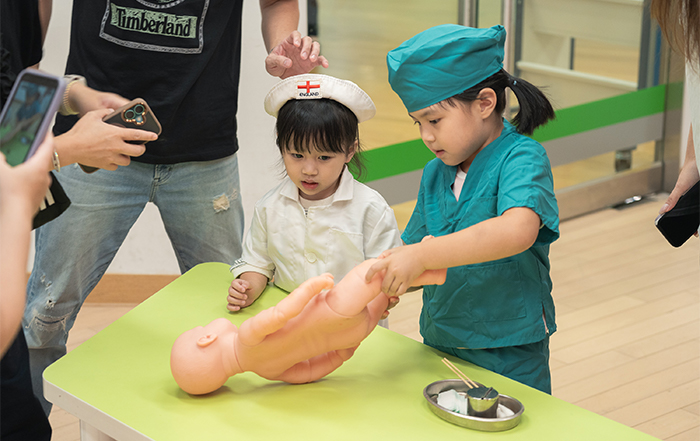
The library's "Baby Storytime" and "Five Senses Exploration Experience" are the most beloved picture book activities for pre-school parent-child pairs. Storytelling goes beyond mere reading, incorporating interactive singing, role-playing, and tactile experiences. For instance, in the "Go, Doctor Bear!" five-senses activity, children play doctors and nurses, caring for patients and grasping medical scenarios; when learning about hot and cold concepts, they touch objects directly to form concrete sensations. This multi-sensory guidance immerses non-reading toddlers in story worlds, letting them savor pure reading joy.
Tech Magic - When Traditional Reading Meets Digital Innovation
Technology is a double-edged sword. Ma Xiang Ping candidly admits that many parents rely on "feeding kids with phones," turning iPads into babysitters. "But technology is a tool—if used well, it can still yield positive results and expand children's reading experiences."
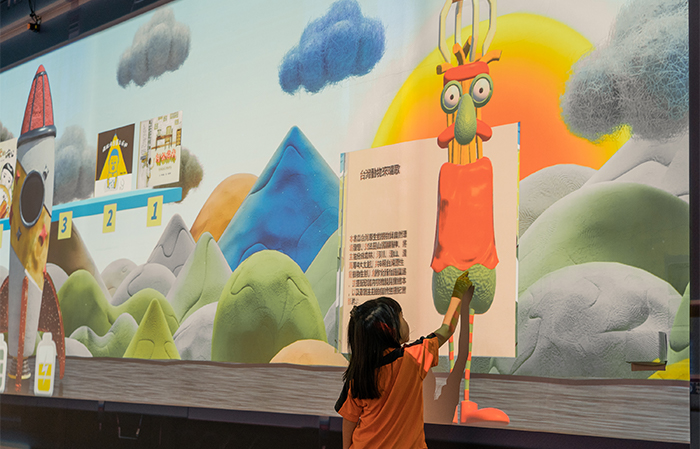
Entering the Children's Learning Center, the "Immersive Universe" interactive corridor at the entrance is designed around sustainable development themes. Children tap wall-mounted books to trigger audiovisual interactions that teach knowledge, then play a game where they must "tap away" excess CO₂ to launch a rocket—a perfect example of learning through play.
The "Sensory Interactive Story Room" employs 270-degree panoramic projection technology, immersing kids in scenes from *Journey to the West*, dinosaur worlds, or sea turtle conservation. To advance the story, they complete interactive tasks like tapping, waving, or moving. "This is immersive learning," Ma Xiang Ping emphasizes. "In just 10–15 minutes, children hear engaging stories while gaining new knowledge."
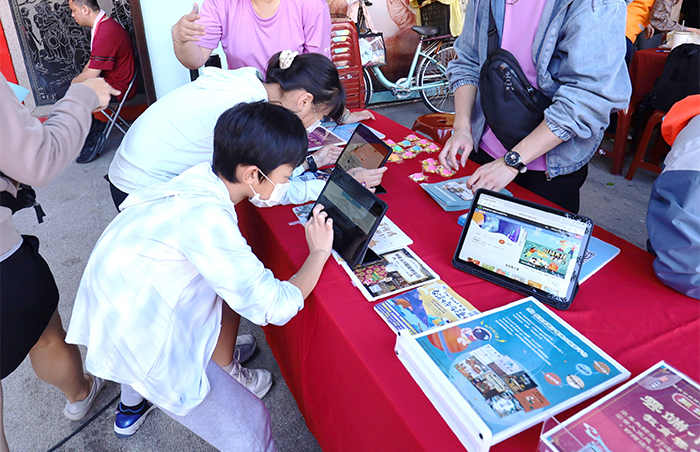
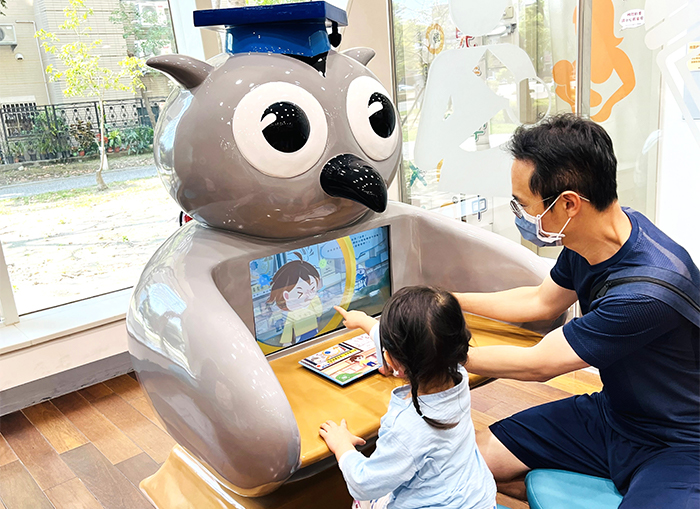
The owl-shaped "AR Augmented Reality Experience Zone" addresses caregivers who struggle with storytelling. Ma Xiang Ping observes that many grandparents bring grandchildren to the library but feel unpracticed at narrating tales. "AR picture books assist with storytelling and help grandparents and kids share reading moments at their own pace."
Learning Through Play - Blending STEAM Education with Themed Reading
NLPI designs diverse themed activities for elementary school children, blending STEAM education with everyday scenarios to transform knowledge from cold text into engaging experiences.
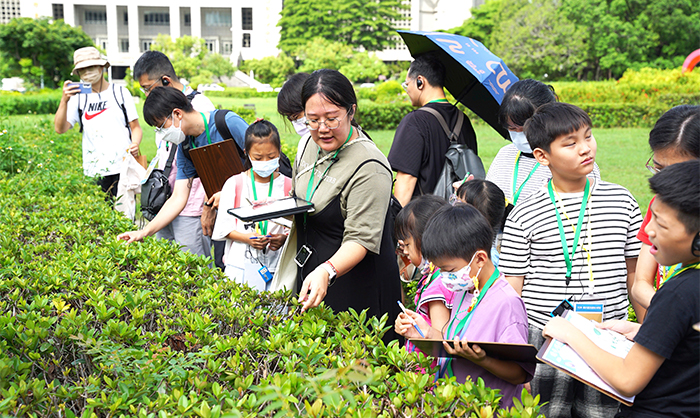
The two-year-running "Parent-Child Summer School" in 2025 focused on plants, with hands-on moss ball crafting and planting experiences that let children observe growth processes firsthand. Through actual planting, kids find it magical and fun, naturally seeking out plant-related books on their own.
One child kept a "Little Plant Observation Diary" post-activity, recording daily changes and reflections—fulfilling learning tasks while cultivating observation skills and writing interest. Ma Xiang Ping believes forging connections through crafts and games helps children see reading as intertwined with life, motivating deeper, ongoing exploration.
Parent-Child Shared Reading - Friendly Support for Parents
"Parents play a crucial role in pre-school children's lives," emphasizes Ma Xiang Ping. "Without their guidance and companionship, children rarely enter the world of reading." Thus, libraries must prioritize parents' needs alongside children's.
The NLPI's "Parent-Child Doctor Mailbox" has run for years, offering weekly themed learning sheets paired with curated picture books for families to complete after shared reading. "Parents were initially more enthusiastic, but children soon eagerly awaited each new sheet."
The "Themed Book Bag" design simplifies book selection, bundling picture books on topics like self-care, emotion management, and nature awareness. "Parents can quickly find age-appropriate sets based on their child's needs when borrowing," Ma Xiang Ping explains.
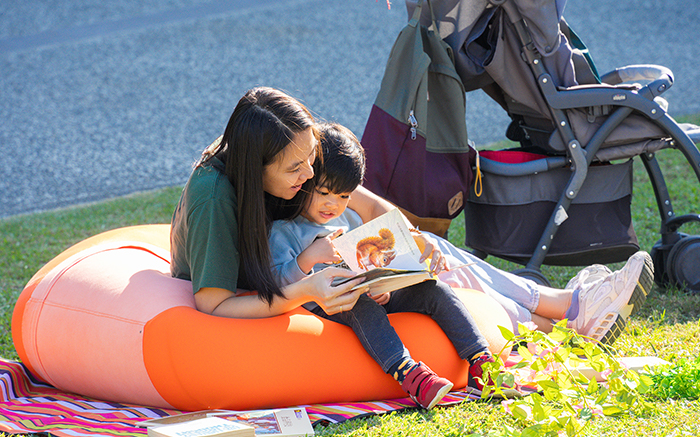
The most romantic feature in the Children's Learning Center is the "Light Parent-Child Reading" corner, tucked in the loveliest spot—by floor-to-ceiling windows with ample sunlight and lush greenery outside, furnished with cozy sofas and whimsical decor. "We want this corner to invite parents and kids to sit and read together instinctively."
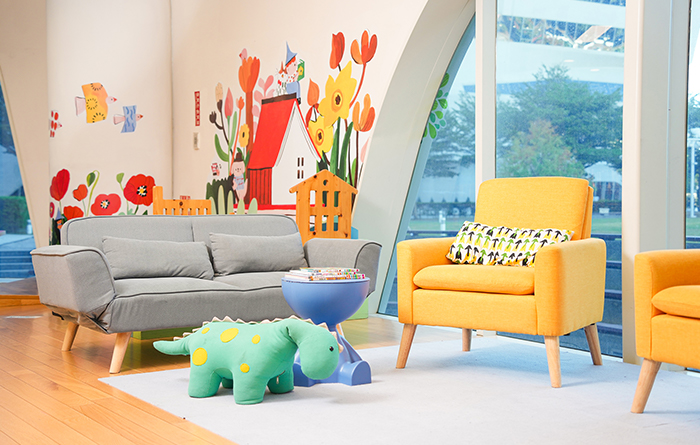
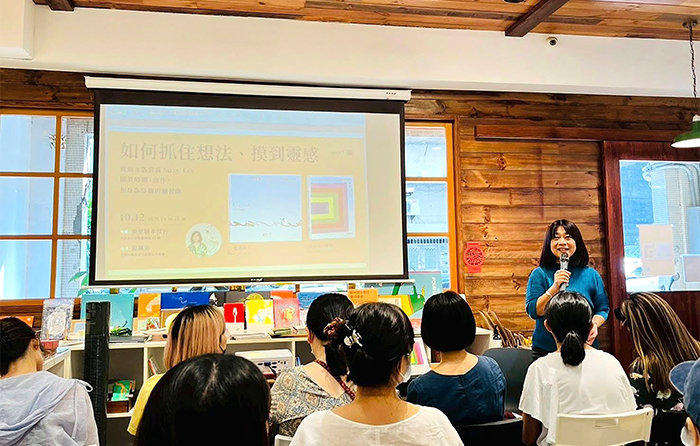
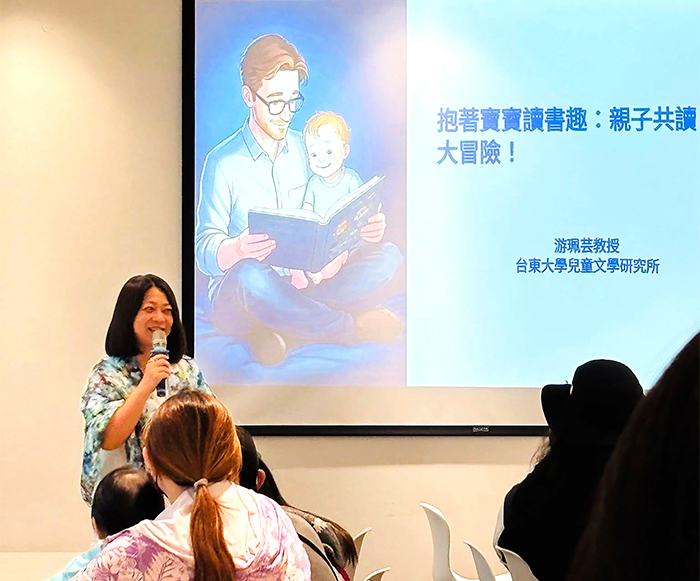
Additionally, the NLPI hosts irregular parent-child education lectures featuring doctors and psychologists who explain reading's impact on child development from medical or psychological perspectives or teach shared reading techniques. Ma Xiang Ping notes that social-emotional learning—a hot topic in education—is a key focus, using diverse activities to help children recognize, express emotions, and respect others' feelings.
Cross-Boundary Collaborations - Bring Reading into Every Family
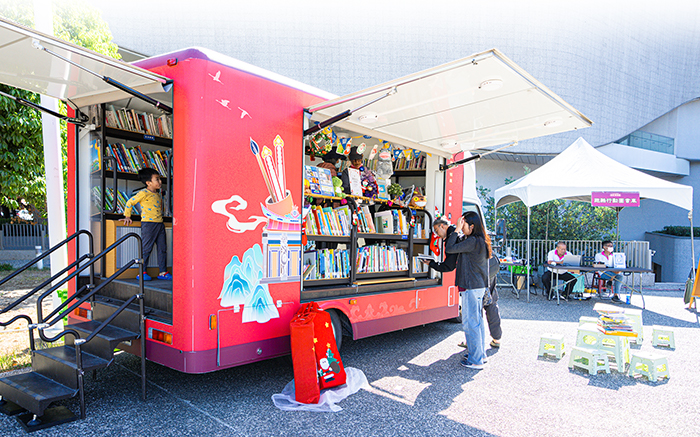
To extend children's reading reach, the NLPI actively taps external resources, spreading shared reading concepts everywhere. This includes partnering with Taichung City's Nantong Parent-Child Center, Big Feet Little Feet Co-Learning Group, and Shanghai Tun Story Association for storytelling events, or collaborating with Parenting Today and Little Roo Publishing on lectures. Plans even extend to hospitals and postpartum centers, "teaching new moms during confinement how to tell stories to babies and use reading to guide learning later."
Ma Xiang Ping acknowledges two major challenges in promoting children's reading: technology's impact and parental mindsets. In the digital age, children's attention spans shrink, yet reading demands deeper focus to enter textual worlds, so libraries must innovate activities ceaselessly “using games, contests, crafts, and more to immerse kids and spark reading motivation."
Parental attitudes are pivotal too. Ma Xiang Ping believes, "Parents are children's closest companions in growth; when they grasp and embrace reading's value, they lead kids into that world, savoring its joys together."
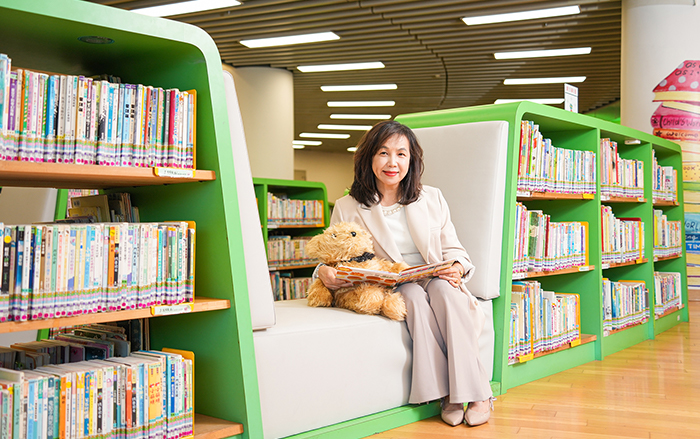
"As a national library, we aim to deliver ever more innovative, systematic services," Ma Xiang Ping envisions NLPI's future. "Transforming the Children's Learning Center into a parent-child co-learning lab, sharing novel methods and tech applications with local libraries." The hope: libraries as starting points for kids' free reading exploration, helping parents find shared rhythms and craft unique family reading rituals from daily life.